


News
Moving Goods Efficiently: Understanding the GFM-T Freight Elevator
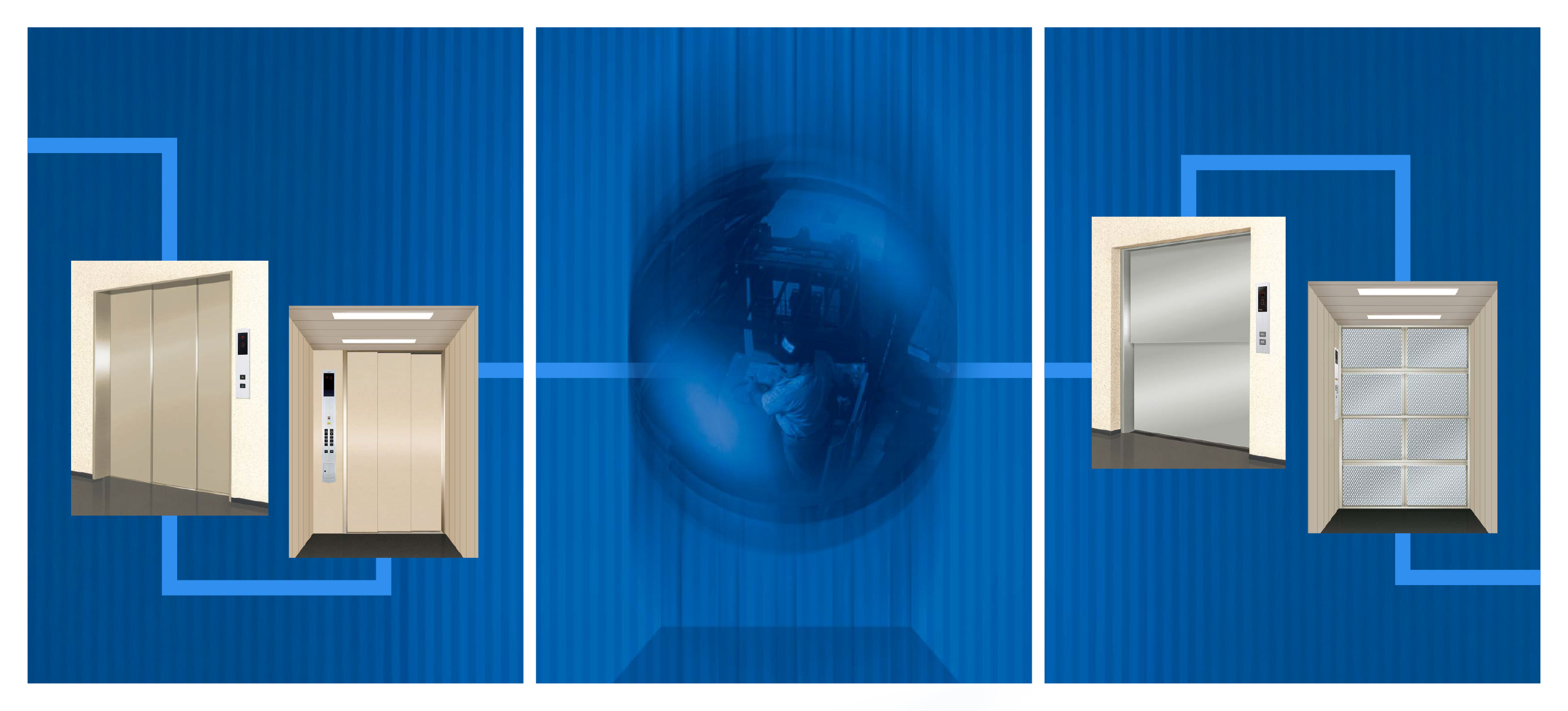
In a warehouse or factory, the elevator is part of the production line. Equipment, materials, and finished goods move between floors all day, and the elevator that carries them needs to be built for the job. The Mitsubishi Electric GFM-T Freight Elevator is designed specifically for freight transportation, providing a range of configurations for different goods-handling requirements.
Designed for Different Freight Requirements
The GFM-T has a rated capacity range from 750 kg to 6,000 kg, with rated speeds ranging from 30 to 60 m/min. and maximum travel of 30 meters. This range allows the elevator to be configured according to the weight and size of goods that need to be transported.
Selecting the appropriate capacity is an important first step in planning a freight elevator. The type and dimensions of the goods, loading equipment, car size, shaft dimensions, and loading area all influence the appropriate configuration.
Choosing the Right Loading and Door Configuration
Freight transportation can involve different loading conditions, so the GFM-T offers several car and entrance configurations. Depending on the selected model, the elevator can use horizontal sliding doors or vertical sliding doors, including 2-panel and 3-panel configurations.
Loading requirements also affect elevator selection. According to the GFM-T product guide, freight elevators with a capacity below 2,500 kg are intended for loading using hand trucks with casters and are not designed for forklift loading. For traction-type freight elevators with a capacity of 2,500 kg or more, forklift use requires consultation with the sales agency.
These considerations demonstrate why freight elevator selection should be based on actual operating conditions rather than capacity alone.
Supporting Warehouse and Factory Operations
The GFM-T is available for warehouse and factory applications. Its range of capacities and configurations allows project teams to consider the specific requirements of the facility, from the type of goods being transported to the way those goods are loaded and unloaded.
A properly selected freight elevator can help establish a more organized vertical transportation process, particularly in facilities where goods must regularly move between storage, production, and distribution areas.
When planning a freight elevator, start with the goods that will be transported. Determine their maximum weight and dimensions, identify the loading equipment to be used, travel distance, number of stops, car size, and entrance configuration. These details help determine the appropriate GFM-T configuration for the application.
For freight transportation requirements in warehouses, factories, and other facilities, talk to us to learn more about the Mitsubishi Electric GFM-T and its available configurations.